How Digital Loan Apps Are Supporting India’s Creator Economy
India’s creator economy is no longer a niche internet trend. It has become a real source of income for thousands of people across the country. YouTubers, podcasters, editors, streamers, educators, photographers, designers, influencers, freelancers, and independent filmmakers are now building careers outside traditional employment structures.
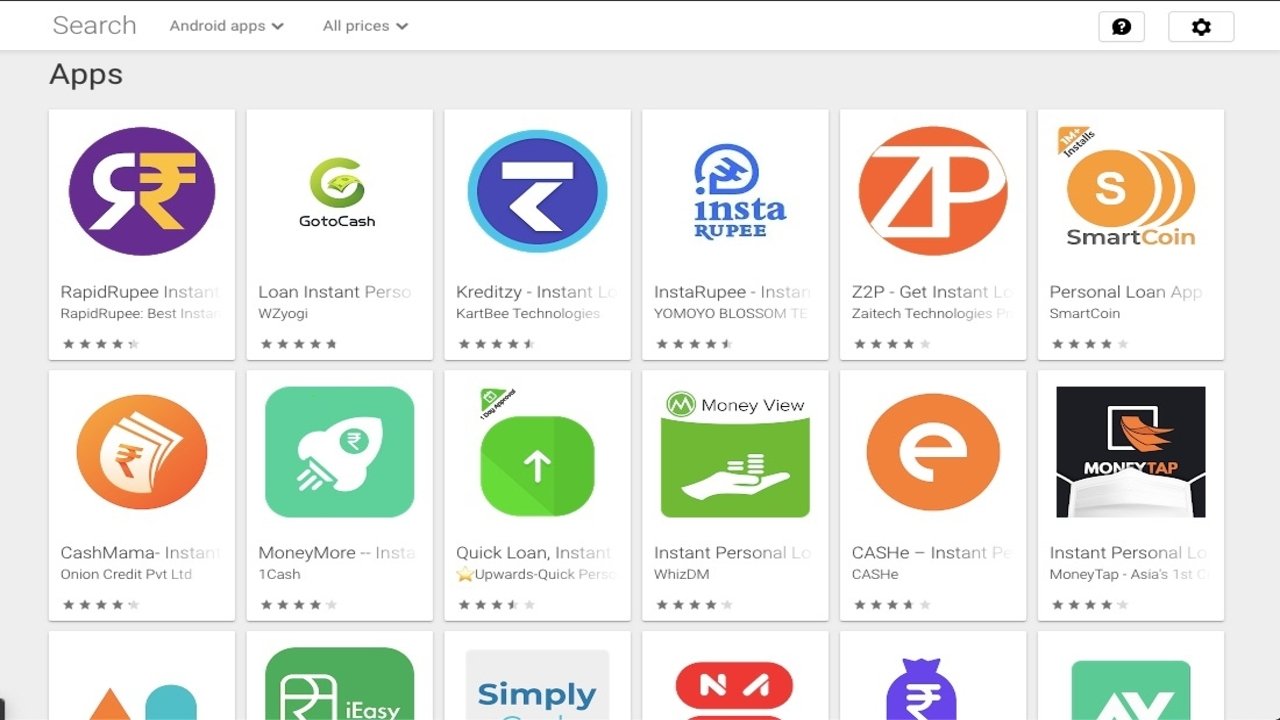
And while the opportunities are growing quickly, the financial side of creative work still looks unpredictable for many creators. Payments fluctuate. Brand deals get delayed. Project cycles change constantly. That uncertainty is one of the biggest reasons creators increasingly rely on a loan app for short-term financial flexibility and business continuity.
The interesting part is this.
Many creators today no longer view borrowing as emergency behaviour.
They treat it as a growth tool.
Creative work usually requires upfront spending before income arrives
This is something outsiders often underestimate.
Content creation looks simple from the audience side. But behind every polished video, podcast, campaign, or shoot, creators are constantly investing money before revenue even arrives.
Typical expenses include:
- Cameras and lenses
- Editing laptops
- Lighting equipment
- Audio systems
- Production software
- Studio rentals
- Travel expenses
- Workspace upgrades
And unlike salaried jobs, payments in creative industries often arrive irregularly.
A creator may receive a large campaign payout one month and then experience delayed payments for several weeks afterwards.
That creates temporary gaps.
This is exactly where an instant loan app becomes useful for many freelancers and independent professionals.
Digital borrowing fits naturally into the creator lifestyle
Most creators already work digitally.
Their business runs online. Their communication happens online. Their income often arrives digitally too.
So naturally, using a loan app personal platform feels more practical compared to traditional offline banking systems.
A creator handling:
- Shoots
- Editing schedules
- Brand deadlines
- Travel
- Audience engagement
usually does not want:
- Repeated branch visits
- Physical paperwork
- Lengthy manual approvals
A digital instant loan process feels far more aligned with how modern creators already manage work. That convenience matters more than many traditional lenders initially realised.
Irregular income is one of the biggest financial challenges creators face
This is probably the most important difference between creators and salaried professionals.
A salaried employee usually knows when the next payment arrives.
Creators often don’t.
Payments may depend on:
- Campaign approvals
- Platform monetisation cycles
- Client processing delays
- Seasonal ad revenue changes
- Freelance project schedules
That unpredictability sometimes makes cash-flow planning difficult.
For example, a freelance editor waiting for international client payments may still need to pay:
- Rent
- Internet bills
- Software subscriptions
- Team expenses
during the delay period. A structured loan can temporarily help maintain operational continuity without forcing creators to shut down ongoing projects or liquidate savings immediately.
Equipment upgrades are becoming essential, not optional
Competition inside the creator economy increased heavily. Today, creators constantly compete on:
- Video quality
- Audio clarity
- Production value
- Editing standards
- Upload consistency
Which means equipment upgrades are no longer luxury purchases for many creators.
They are business investments. A podcaster upgrading to professional microphones or a filmmaker investing in better editing systems often expects that spending to improve future income opportunities.
That’s one reason creators increasingly use a loan app to spread equipment costs through EMIs instead of delaying upgrades for months.
The mindset shifted from “borrowing for consumption” toward “borrowing for professional growth.”
Flexible EMIs matter more to creators than large loan limits
Many creators do not necessarily need large loans. What they usually need is flexibility. A creator’s income may rise and fall depending on project cycles, platform algorithms, or advertising demand. Because of this, repayment comfort becomes far more important than simply accessing the maximum approved amount.
A properly structured instant loan helps creators:
- Maintain liquidity
- Avoid disturbing emergency savings
- Continue projects smoothly
- Match repayment with expected income cycles
For example:
- Shorter tenure reduces total interest outflow
- Longer tenure lowers monthly repayment pressure
The best repayment structure depends heavily on how predictable the creator’s earnings actually are.
Smaller creative businesses are also using digital loans increasingly
This trend goes beyond influencers and solo creators.
Small creative teams and agencies increasingly use structured borrowing for operational continuity too.
This includes:
- Production houses
- Social media agencies
- Freelance collectives
- Photography studios
- Independent design teams
Many of these businesses deal with delayed client payments despite ongoing monthly operational expenses.
A temporary loan may help them manage team salaries, vendor payments, equipment rentals, and campaign execution costs until invoices clear. And honestly, this behaviour is becoming far more common inside India’s freelance economy than most people realise.
Traditional lending systems still struggle with creator income models
This is another major reason digital lending grew inside the creator economy. Traditional lenders often prefer fixed salaries, predictable monthly income, and standard employment structures. Creators rarely fit neatly into those categories. A YouTuber earning through brand deals, ad revenue, affiliate partnerships, and memberships may generate healthy income overall while still appearing “financially irregular” on paper.
Digital lenders adapted faster by evaluating:
- Banking behaviour
- Cash flow consistency
- Transaction patterns
- Digital income visibility
Instead of relying only on salary slips. That shift significantly improved creators’ access to structured borrowing.
Responsible borrowing matters even more for creators
This part cannot be ignored. Easy approvals sometimes create dangerous habits inside freelance and creator ecosystems. Some creators begin financing:
- Lifestyle spending
- Non-essential luxury purchases
- Impulsive upgrades
without proper repayment planning. That creates pressure later, especially during periods of slower income. The healthiest borrowing decisions usually involve:
- Productive investments
- Revenue-supporting purchases
- Short-term liquidity support
Instead of emotional spending. A professional camera that improves work quality is different from borrowing aggressively for unnecessary lifestyle expenses. That distinction matters financially.
Credit history is becoming important for creators building long-term businesses
Many creators today are no longer thinking only in the short term. They are building:
- Production companies
- Agencies
- Media brands
- Independent studios
- Digital businesses
And strong repayment discipline now can influence future access to:
- Larger business financing
- Better credit products
- Professional banking relationships
Even smaller structured repayments through an instant loan app may gradually help establish stronger financial credibility over time.
That becomes increasingly valuable as creators scale professionally.
The creator economy is starting to behave like a real business ecosystem
This is probably the biggest shift overall.
Earlier, content creation felt experimental. Now many creators operate like structured businesses with:
- Teams
- Equipment investments
- Monthly operating costs
- Marketing budgets
- Production planning
As the ecosystem matures, access to flexible financing naturally becomes more important. And digital borrowing platforms are increasingly becoming part of that infrastructure.
Conclusion
India’s creator economy is changing how people build careers, earn income, and grow independent businesses online. But creative freedom also comes with financial unpredictability. Delayed payments, project-based income cycles, equipment costs, and operational expenses make liquidity management extremely important for freelancers and digital creators. That’s exactly why the modern instant-loan app ecosystem has become increasingly relevant to India’s growing creator economy.
A reliable loan app today is no longer used only during emergencies. Many creators now use structured digital borrowing strategically to manage cash flow, invest in production quality, and support long-term professional growth without immediately exhausting savings.
At the same time, borrowing discipline still matters more than the speed of approval. The most financially successful creators are usually the ones who treat every instant loan as a business decision, not free money.