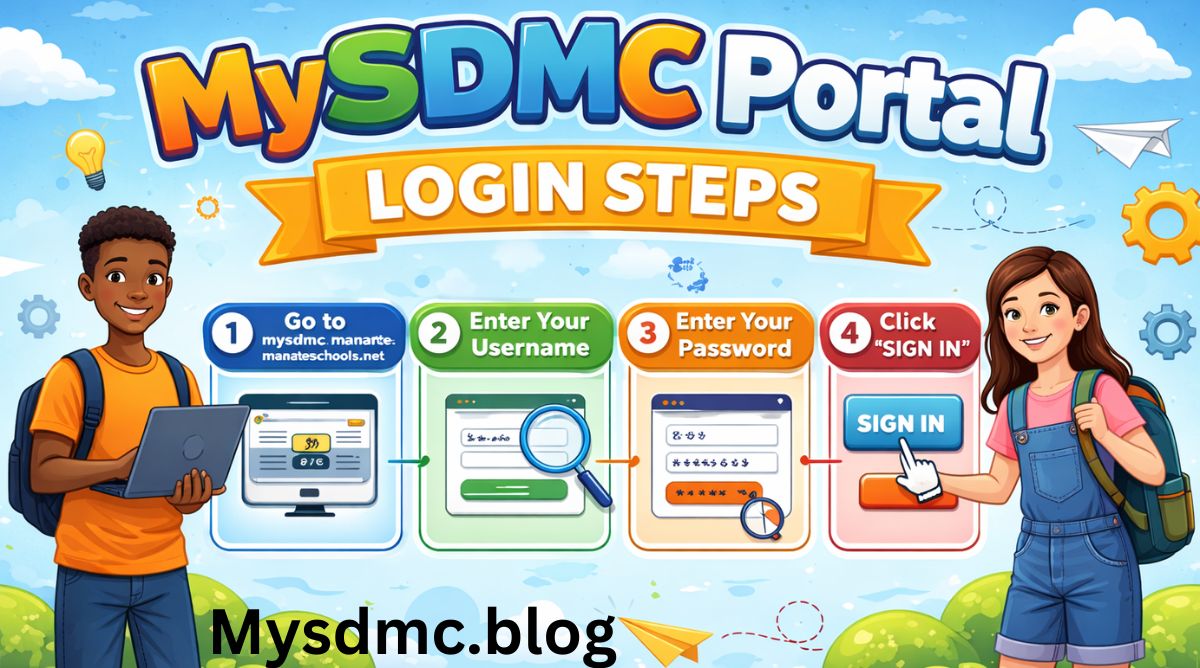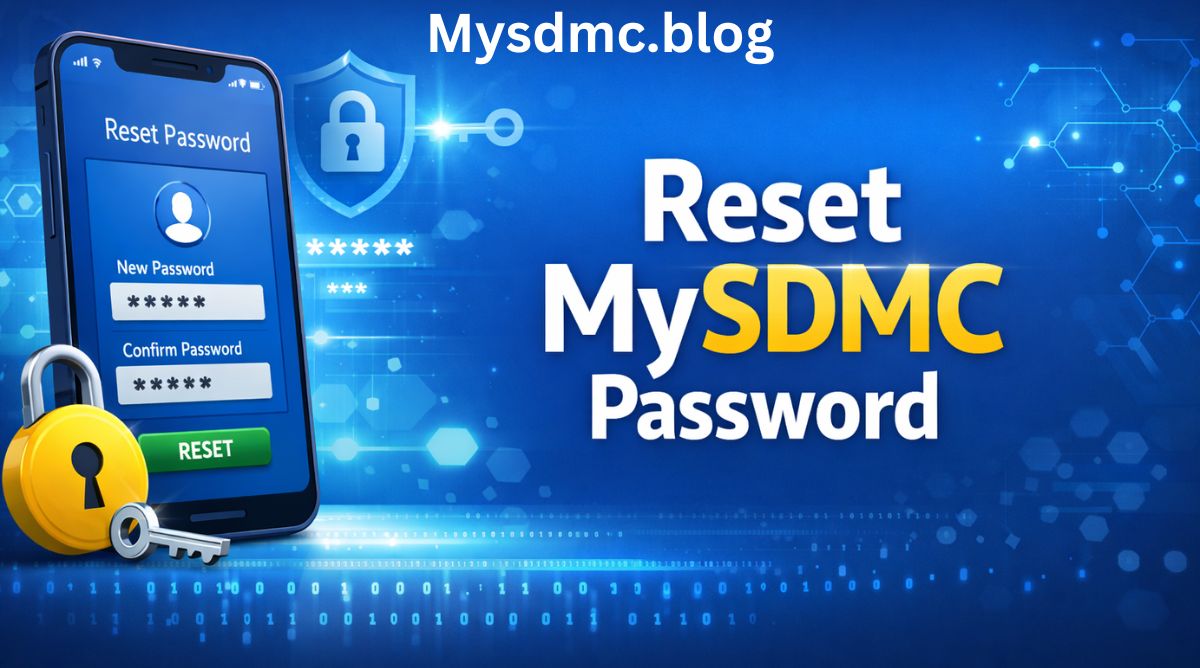
Digital portals play an essential role in providing access to academic, administrative, and municipal services. The MySDMC portal is designed to offer users secure and personalized access to important information and services. However, forgetting or needing to reset a password is a common issue faced by many users. Resetting a MySDMC password can feel confusing or stressful, especially when access is urgently required.
MySDMC password reset process. It covers reasons why password resets are needed, common challenges faced during the process, step-by-step guidance, security considerations, preventive tips, and future improvements. Understanding this process ensures a smooth and secure experience for all users.
Understanding the MySDMC Password System
The MySDMC password system is a core component of the portal’s security framework. It ensures that only authorized users can access personal accounts, sensitive data, and portal services. Each user creates a unique password during account registration, which is stored securely and used to verify identity during login.
Passwords serve multiple purposes. They protect personal information, prevent unauthorized access, and maintain system integrity. Because of their importance, the MySDMC portal enforces strict password rules and security measures, which can sometimes require users to reset their passwords.
Why Users Need to Reset Their MySDMC Password
There are several reasons why a user may need to reset their MySDMC password. These reasons can be technical, security-related, or user-driven.
Forgotten Password
The most common reason for resetting a password is simply forgetting it. Users who do not log in frequently or rely on saved passwords may forget their credentials over time.
Password Entered Incorrectly Multiple Times
Repeatedly entering the wrong password may trigger security protocols that temporarily restrict access. In such cases, resetting the password becomes necessary to regain access.
Account Security Concerns
If there is suspicion of unauthorized access or unusual activity, users are often advised to reset their passwords immediately to protect their accounts.
System-Enforced Password Updates
For security purposes, the MySDMC system may require users to reset their passwords periodically. This helps reduce the risk of compromised accounts.
Device or Browser Changes
Switching devices, clearing saved data, or changing browsers may result in lost saved passwords, prompting a reset.
Common Challenges Faced During MySDMC Password Reset
While the password reset process is designed to be user-friendly, some users encounter difficulties. Understanding these challenges helps in resolving them efficiently.
Incorrect Registered Contact Information
Password reset verification usually relies on registered contact details. If a user no longer has access to their registered email or phone number, resetting the password becomes more complicated.
Delayed Verification Codes
Sometimes, verification codes required for password reset may be delayed due to network or system issues. This can cause frustration and repeated attempts.
Password Policy Restrictions
Users may struggle to create a new password that meets system requirements. These policies often include minimum length, character combinations, and uniqueness rules.
Expired Reset Requests
Password reset requests are usually time-sensitive. If the process is not completed within a specific timeframe, users may need to start again.
Technical Errors
Temporary system issues, browser conflicts, or slow internet connections can interrupt the password reset process.
Step-by-Step Process to Reset MySDMC Password
Resetting a MySDMC password typically follows a structured process designed to verify user identity and ensure security.
Accessing the Password Reset Option
Users begin by navigating to the MySDMC login page and selecting the option related to password recovery or reset. This option is usually labeled clearly to guide users.
Entering Registered Account Information
Users are required to enter their registered username, email address, or identification details. This step helps the system locate the correct account.
Identity Verification
To ensure security, the system sends a verification code or confirmation request to the registered contact information. Users must enter this code accurately to proceed.
Creating a New Password
Once verified, users are prompted to create a new password. The new password must comply with security rules, such as:
- Minimum character length
- Combination of letters and numbers
- Use of special characters
- Avoidance of recently used passwords
Confirming the Password Reset
After entering the new password, users confirm the reset. A confirmation message typically indicates that the password has been updated successfully.
Logging in with the New Password
Users can now log in to their MySDMC account using the newly created password.
Password Security Guidelines for MySDMC Users
Strong password practices are essential for maintaining account security and avoiding frequent resets.
Creating a Strong Password
A strong password should be difficult to guess and unique to the MySDMC account. It should include a mix of uppercase and lowercase letters, numbers, and symbols.
Avoiding Common Password Mistakes
Users should avoid using easily guessed information such as names, birthdays, or common words. Reusing passwords from other platforms also increases security risks.
Storing Passwords Securely
Passwords should never be written down in unsecured places or shared with others. Using secure password storage methods helps prevent unauthorized access.
Updating Passwords Regularly
Regular password updates reduce the risk of compromised accounts and enhance overall security.
Reset MySDMC Password for Students
Students using the MySDMC portal often face specific password-related challenges due to academic system requirements.
New Student Account Activation
Newly enrolled students may need to reset their default passwords during first-time login to ensure security.
Academic Session Transitions
At the beginning of a new academic session, system updates may require students to reset passwords for synchronization purposes.
Forgotten Student Credentials
Students managing multiple academic platforms may forget login details, making password reset a frequent necessity.
Shared Device Usage
Students using shared computers in labs or libraries may face password issues due to saved sessions or browser restrictions.
Reset MySDMC Password for Staff and Other Users
Non-student users, such as staff or administrators, also rely on password reset processes.
Role-Based Access Security
Staff accounts often have higher access privileges, making password security even more critical.
Mandatory Security Updates
For safety reasons, staff may be required to reset passwords periodically as part of security compliance.
Account Recovery Procedures
Staff users may need additional verification steps to reset passwords, ensuring data protection.
Preventive Measures to Avoid Frequent Password Resets
Reducing the need for password resets saves time and improves user experience.
Keeping Recovery Information Updated
Users should ensure their registered contact details are always current to avoid verification issues.
Using Password Reminders Wisely
Creating memorable yet secure passwords can reduce the chances of forgetting them.
Logging Out Properly
Logging out after each session prevents unauthorized access and session-related issues.
Avoiding Public Networks
Using secure and private networks reduces the risk of password compromise.
Role of Technical Support in Password Reset Issues
Technical support teams play an important role in assisting users with password reset challenges.
Assisting with Account Recovery
Support staff help users regain access when automated reset options fail.
Verifying User Identity
Manual verification ensures that only legitimate users can reset passwords when issues arise.
Resolving System Errors
Technical teams address backend issues that may disrupt the password reset process.
Impact of Password Reset Issues on User Experience
Password-related problems can significantly affect user satisfaction.
Delayed Access to Services
Inability to reset a password can prevent access to important academic or administrative tasks.
Increased Stress and Frustration
Repeated reset failures can discourage users from using the portal.
Reduced Trust in Digital Systems
Frequent issues highlight the need for reliable and user-friendly security systems.
Future Improvements in MySDMC Password Reset Systems
Continuous improvement helps enhance both security and usability.
Simplified Reset Interfaces
Clear instructions and intuitive design can make the reset process easier.
Enhanced Verification Methods
Improved authentication techniques can balance security with convenience.
Automated Assistance Tools
Smart systems can guide users step by step during password recovery.
Better User Education
Training and awareness programs can help users understand password policies and security practices.
Conclusion
Resetting a MySDMC password is a common but essential process designed to protect user accounts and maintain system security. While users may encounter challenges during password recovery, understanding the causes and following proper steps can make the process smooth and stress-free.
By creating strong passwords, keeping recovery details updated, and following security best practices, users can minimize the need for frequent resets. At the same time, continuous improvements in system design and support services will further enhance the password reset experience.
A secure and user-friendly password reset system is fundamental to building trust, ensuring accessibility, and supporting the long-term success of the MySDMC portal.