Digital portals have become an essential part of modern governance, allowing users to access services quickly and efficiently. The MySDMC portal is one such platform designed to provide students, residents, and stakeholders with easy access to various municipal and educational services. However, like many digital systems, users sometimes experience login-related issues. These problems can be frustrating, especially when access to important information or services is required urgently.
It explores common problems, technical and user-related causes, step-by-step solutions, preventive measures, and future improvements. Understanding these issues can help users resolve problems quickly and use the portal more effectively.
Understanding the MySDMC Login System
The MySDMC login system is designed to authenticate users securely before granting access to personalized services. Each user is required to enter valid credentials, usually consisting of a registered username or email and a password. In some cases, additional verification such as one-time codes may be required to enhance security.
The login system serves multiple purposes, including protecting user data, maintaining service integrity, and ensuring that only authorized individuals can access specific features. Because of these responsibilities, the system includes strict security protocols, which can sometimes lead to login difficulties if not properly understood.
Common MySDMC Login Issues Faced by Users
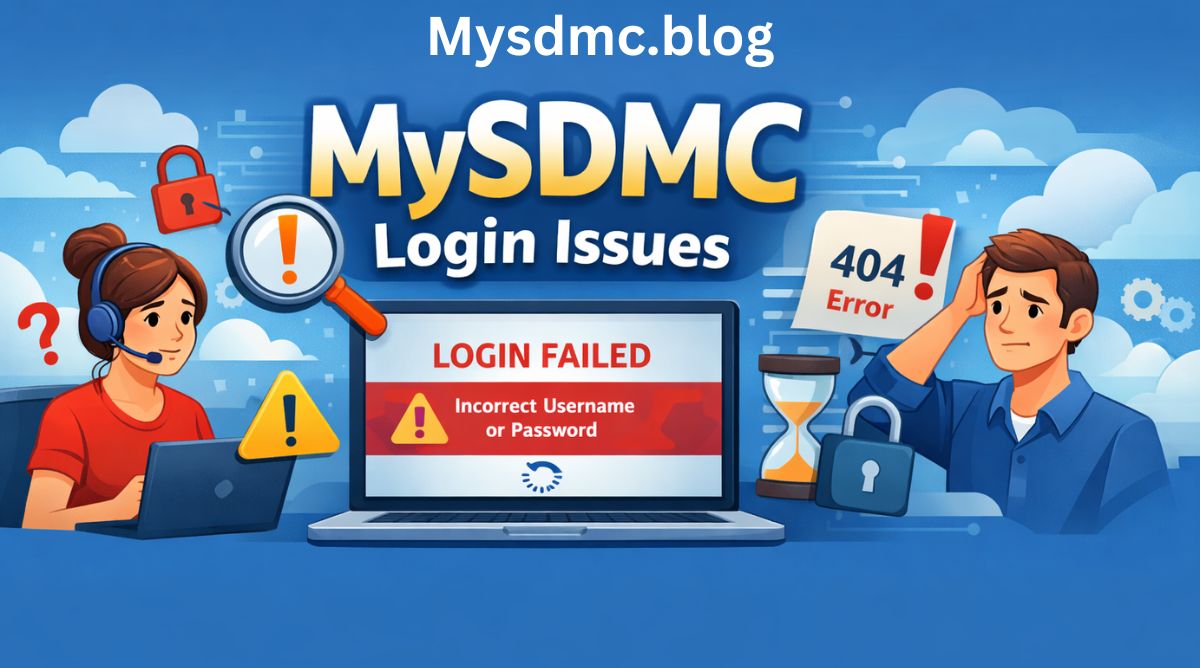
Login problems can occur for various reasons, ranging from simple input errors to complex system-related issues. Below are the most common MySDMC login issues reported by users.
Incorrect Username or Password
One of the most frequent login problems occurs when users enter incorrect credentials. This can happen due to typing errors, incorrect capitalization, or confusion between multiple accounts.
Forgotten Login Credentials
Many users forget their passwords or usernames, especially if they do not log in regularly. This issue becomes more common when users rely on saved passwords that are later cleared or changed.
Account Lockout Due to Multiple Failed Attempts
For security reasons, the MySDMC system may temporarily lock an account after several unsuccessful login attempts. This is intended to prevent unauthorized access but can inconvenience legitimate users.
Browser Compatibility Issues
Certain web browsers or outdated browser versions may not fully support the MySDMC portal interface. This can result in pages not loading correctly or login buttons not responding.
Server Downtime or Maintenance
Sometimes login issues are not caused by user error but by system maintenance or server downtime. During these periods, users may be unable to access their accounts even with correct credentials.
Slow Internet Connection
A weak or unstable internet connection can interrupt the login process. This may result in session timeouts or incomplete page loading, preventing successful authentication.
Cache and Cookie Conflicts
Stored cache files and cookies can sometimes interfere with the login process. Outdated or corrupted data may cause errors or prevent the portal from recognizing valid credentials.
Device-Specific Problems
Login issues can also arise due to device-related factors such as outdated operating systems, restricted permissions, or incompatible screen settings.
Technical Causes Behind MySDMC Login Problems
Understanding the technical reasons behind login issues helps users troubleshoot more effectively.
Authentication System Errors
The authentication mechanism checks entered credentials against stored records. Any mismatch, synchronization delay, or system error can result in login failure.
Session Timeout Errors
For security purposes, login sessions may expire if the page remains idle for too long. Users attempting to log in after a timeout may need to refresh the page and re-enter credentials.
Security Protocol Restrictions
Advanced security measures, such as detecting unusual login activity or blocking suspicious IP addresses, can sometimes affect legitimate users.
Software Updates and System Changes
Updates to the portal’s backend system may temporarily disrupt login functionality. Such issues usually resolve once updates are fully implemented.
Step-by-Step Solutions to Common MySDMC Login Issues
Most login problems can be resolved by following systematic troubleshooting steps.
Verifying Login Credentials
Users should carefully re-enter their username and password, ensuring that:
- Caps Lock is turned off
- There are no extra spaces
- The correct account credentials are used
Double-checking these details often resolves simple login errors.
Resetting Forgotten Passwords
If a password is forgotten, users should use the password recovery option provided on the portal. This process usually involves identity verification and setting a new password.
Waiting After Account Lockout
If an account is temporarily locked, users should wait for the lockout period to end before attempting to log in again. Repeated attempts during this period may extend the lock.
Updating or Changing the Browser
Switching to a supported and updated browser can fix compatibility issues. Users should ensure that their browser version is current and that JavaScript is enabled.
Clearing Browser Cache and Cookies
Clearing cached data and cookies removes stored conflicts that may interfere with login. After clearing, users should restart the browser and try logging in again.
Checking Internet Connectivity
Ensuring a stable internet connection is essential. Users may switch networks or restart their modem if connectivity issues persist.
Trying a Different Device
Logging in from a different device can help determine whether the issue is device-specific. If login succeeds elsewhere, the original device may need updates or adjustments.
MySDMC Login Issues for Students
Students using the MySDMC portal often face unique login challenges related to academic systems.
Enrollment-Related Login Errors
Newly enrolled students may experience login issues if their accounts are not yet fully activated in the system.
Academic Session Changes
At the start of a new academic session, system updates or data migration may temporarily affect student logins.
Forgotten Student IDs
Students often confuse their student identification details, especially if multiple platforms are used. Keeping credentials recorded securely can prevent this issue.
Security and Privacy Concerns During Login
Login issues are closely linked to security practices. While these measures protect users, they can sometimes cause inconvenience.
Importance of Strong Passwords
Weak passwords increase the risk of unauthorized access and may trigger security alerts. Users should create strong passwords that combine letters, numbers, and symbols.
Avoiding Shared Devices
Using public or shared devices can lead to login problems due to saved credentials or restricted settings. Logging out after use is essential for security.
Recognizing Suspicious Activity
Unusual login notifications or repeated failures may indicate suspicious activity. Users should update credentials immediately if they suspect unauthorized access.
Preventive Measures to Avoid Future Login Issues
Preventing login problems is often easier than resolving them after they occur.
Maintaining Updated Credentials
Users should update their passwords periodically and keep recovery information current.
Using Supported Browsers and Devices
Regularly updating browsers and devices ensures compatibility with the portal.
Logging Out Properly
Logging out after each session prevents session conflicts and security-related login issues.
Saving Credentials Securely
Using secure password managers or safe storage methods helps avoid forgotten login details.
Role of Technical Support in Resolving Login Issues
Technical support teams play a crucial role in addressing persistent MySDMC login issues.
Issue Reporting and Resolution
Users can report login problems through official support channels. Providing accurate details helps speed up resolution.
System Monitoring and Maintenance
Technical teams monitor portal performance and address backend issues that may affect login functionality.
User Guidance and Assistance
Support staff often provide step-by-step guidance to help users resolve login issues independently.
Impact of Login Issues on User Experience
Login problems can negatively affect user confidence and satisfaction.
Delays in Accessing Services
Inability to log in can delay important tasks such as accessing academic records or municipal services.
Increased User Frustration
Repeated login failures can discourage users from using digital platforms.
Reduced Trust in Digital Systems
Persistent issues may lead users to question the reliability of online services, emphasizing the need for efficient systems.
Future Improvements to Reduce MySDMC Login Issues
Continuous improvement is essential to enhance portal reliability and user experience.
Enhanced User Interface Design
Simplified login screens and clearer error messages can help users identify issues quickly.
Advanced Authentication Methods
Improved verification methods can balance security and convenience.
Better System Scalability
Upgraded infrastructure can handle high traffic during peak usage times, reducing login failures.
User Education Initiatives
Training sessions and awareness programs can help users understand login procedures and security practices.
Conclusion
MySDMC login issues are a common challenge faced by many users, but most problems can be resolved through careful troubleshooting and preventive practices. Understanding the causes—whether user-related, technical, or system-based—empowers users to take appropriate action and regain access quickly.
By maintaining accurate credentials, using compatible devices, and following security guidelines, users can minimize login difficulties. At the same time, continuous system improvements and effective technical support are essential to ensure a smooth and reliable login experience.
As digital platforms continue to evolve, addressing login issues efficiently will remain a key factor in building trust, usability, and long-term success for the MySDMC portal.